

Wiki is in the process of importing stuff
Please be patient
"There cannot be peaceful coexistence in the ideological realm. Peaceful coexistence corrupts."
Revolutionary Progressivism (also known as Radical Progressivism, Ultraprogressivism, Neo-Jacobinism, and Neo-Progressivism) is a culturally and (most of the time) economically left ideology that believes in the radical restructuring of existing society through violent means in the vision of modern progressive ideals. The ideology ultimately sees that strict File:Conservative.png conservative cultural norms are holding back societies from developing into the modern era and that there is no point in preserving them.
Because of its stance on abolishing File:Trad.png traditional or oppressive social structures, it has been deemed as a culturally far-left ideology (or  Alt-Left by some), meeting friends among the way such as
  Jacobinism,
  Marxism–Leninism, File:Mao.png Maoism, and other
  or left-anarchist or
  socialist ideologies.
History
The history of all revolutionary causes is associated with  Progressivism, which expanded in the era of the File:Enlightenment.png Enlightenment. However, it wasn't until the organization of the Jacobin Club rooted the ideas credited to Revolutionary Progressivism.
File:RedShirts.png Red Shirts and Tomás Garrido Canabal
Red Shirts (or in Spanish Camisas Rojas) was an extremist left-wing and anti-religious group founded in 1931 by Tomás Garrido Canabal, in his tenure as governor, the name is because members wear red shirts. The group aimed to follow the orders of Canabal, which was mainly anti-clerical as articles of 1917, in which it destroyed several church buildings.
The group's ideals consisted of attacking things that "hindered progress" like religion and alcohol, as well as having a bias towards Marxism and Leninism (with an extra focus on Leninism), in which their anthem was the internationale and many were based on the Bolsheviks and were even accused of being "fascists" and "indoctrination shock troops for the intense campaign against God and religion". The group disbanded in 1935 after Canabal ordered them to kill Catholics and Cardenas arrested 62 members.
- File:RedShirts.png Tomás Garrido Canabal - Tomás Garrido Canabal was an anti-religious military politician and governor of Yucatan and Tabasco in Mexico and his ideology was Garridismo. Even before taking a role in politics, he was expelled for demonstrating against Porfirio Diaz in his first year of high school.
He became known for his administration as governor of Tabasco (1920-1935), in which he promoted some social advances such as women's suffrage and public education, but was accused of authoritarianism and brutality, especially for his anti-religion campaign, having as focus on Christianity, in which he founded Camisas Rojas to persecute and destroy churches in Tabasco. He justified his religious persecution by saying it was a way of "seeking the freedom of the people", he had banned masses and religious images were burned in public, in addition to having encouraged satirical plays mocking Christianity. Another important aspect was socialism, in which he founded several socialist organizations, the best known being Camisas Rojas and he was very fond of Lenin. He also banned alcoholic beverages (except beer) and executed criminals without trial, causing crime in Tabasco to decline.
Described as socialist tyranny by Martin C. Needler, in 1934 he had Catholic youths shot in Coyoacán Square, generating indignation among the population. He left in 1935, after the arrival of Lázaro Cárdenas, went into exile in Costa Rica, dying in California in 1943.
File:BernardoDeMonteagudo.png Monteagudism
File:BernardoDeMonteagudo.png Bernardo de Monteagudo was an File:Cball-Argentina.png Argentine File:Krit.png lawyer, File:Mediastocracy flair.png journalist and File:InfRevolutionaryism.png revolutionary who played a fundamental role in the File:RevNat.png independence of Argentina and File:Cball-Peru.png Peru. He was an early promoter of the File:Sep.png independence movements in Spanish America. Belonging to the more File:Radlib.png radical wing, also called "Jacobin" because it was heavily inspired by the French Revolution.
He studied at the University of Chuquisaca, where he learned about File:Enlightenment.png Enlightenment authors and was strongly inspired by File:Rousseau.png Jean-Jacques Rousseau. In 1809, an uprising occurred in the same city with the aim of achieving independence for File:Cball-Bolivia.png Upper Peru, and Monteagudo was one of its main leaders, later being imprisoned for his involvement.
In 1810, with the arrival of File:JuanJoseCastelli.png Castelli and his revolutionary army, Monteagudo escaped from prison and made himself available as Castelli's secretary. Together, they issued a series of revolutionary decrees abolishing the File:Inquisition.png Inquisition, File:Slavery.png indigenous servitude, File:Monarch.png noble titles, instruments of torture, and File:LandReform.png distributing lands from the mit'a system among the now freed slaves. However, they also promoted the File:Death Penalty.png death penalty against all those they considered File:Reactcross.png "counter-revolutionaries" and initiated a systematic  persecution of Spaniards. And finally, Monteagudo and Castelli shared a hatred of the File:Catheo.png Catholic Church, especially Monteagudo, who was openly an File:Atheism.png atheist.
After the defeat of the revolutionary army at the Battle of Huaqui in 1811, Monteagudo and Castelli had to return to Buenos Aires, where Monteagudo defended Castelli in a trial against him for the expedition's failure. Castelli died a few months later from tongue cancer.
At the end of 1811 and throughout 1812, Monteagudo became the leader of the radical File:MarianoMoreno.png Morenist faction, promoting the enlightenment and civic ceremonies in "Temples of Liberty", openly criticizing the File:Moder.png moderates and File:Conservative.png conservatives, especially those of the First Triumvirate. In 1812, with the military help of File:Mach.png Carlos Maria de Alvear and File:SanMartin.png Jose de San Martin, Monteagudo organized a File:OchloAngry.png mob that overthrew the First Triumvirate and put in place the Second Triumvirate, made up of politicians more willing to declare independence.
The Second Triumvirate convened the Assembly of the Year XIII, of which Monteagudo was a member and was a driving force behind the abolition of the File:Inquisition.png Inquisition,  the abolition of slavery, the
  suppression of titles of nobility, the adoption of File:ArgentinePatriotism.png national symbols, the File:Secular.png secularization of ecclesiastical property, and the severing of relations between File:Cball-Argentina.png Argentina and the File:Cball-VaticanCity.png Vatican.
Monteagudo was exiled from Argentina due to his support for Supreme Director File:Mach.png Carlos Maria de Alvear. He lived for two years in File:Cball-EU.png Europe where he changed his File:Republicanismpix.png republican and File:Dem.png democratic thinking towards File:Conmon.png constitutional monarchy. After his stay ended, he was able to return to Argentina.
He accompanied File:SanMartin.png José de San Martín during his liberation campaign, eventually settling in Peru where San Martín appointed him as his minister. In this position, Monteagudo continued to issue File:CapAnti Clerical.png anti-clerical and abolitionist decrees, systematically persecuting Spaniards by confiscating their property and expelling them. However, he also restricted  democratic and
  republican ideas as much as possible, favoring File:Monarch.png monarchical ones. In 1822, a group of republicans, taking advantage of San Martín's absence from Peru, overthrew Monteagudo and forced him to return to Argentina.
In 1823, Monteagudo met with File:Bolivarism.png Bolívar in File:Cball-Ecuador.png Ecuador, where the two became friends, primarily due to their shared File:PanAmer.png Pan-Americanist ideals. In 1824, Bolívar invited Monteagudo to return to Peru to assist him in his government. After Monteagudo's return to Lima, Bolívar asked him to draft a document for a future congress aimed at unifying Hispanic America. However, Monteagudo was assassinated while on his way to visit one of his lovers, and the reasons for his murder remain a subject of debate to this day.
File:Zhdanov.png Zhdanovism/Zhdanov Doctrine
Zhdanov Doctrine refers to the cultural, political, and ideological framework articulated by Andrei Zhdanov in the late 1940s within the Soviet Union. It functioned as a central pillar of late File:Stalin.pngStalinism, shaping cultural production, political orthodoxy, and international alignment during the early Cold War period. The doctrine formalized a rigid binary worldview dividing the world into two opposing camps—socialist and capitalist—while reinforcing File:Antiwest.pnganti-Westernism, File:SovietPatriot.pngSoviet patriotism, and ideological discipline across all spheres of life. It also extended beyond foreign policy into cultural regulation, embedding File:Totprog.pngtotalitarian progressivism within the Soviet system by asserting that all artistic, intellectual, and political expression must serve the goals of socialism.
The origins of the Zhdanov Doctrine lie in the immediate aftermath of World War II, when the Soviet Union emerged as a global superpower but faced increasing ideological confrontation with Western nations. Zhdanov, a close associate of Joseph Stalin, articulated the doctrine in 1947 as part of the Cominform’s strategy to consolidate control over Eastern Europe and unify communist parties under Moscow’s leadership. Central to this framework was an uncompromising File:VictoryBanner.pnganti-fascism, which remained a defining element of Soviet identity following the defeat of Nazi Germany. However, this anti-fascist stance was paired with a broader rejection of Western liberal democracy, framed as inherently bourgeois and imperialist. This reinforced anti-Westernism and justified the expansion of Soviet influence, contributing to a form of File:StalinImp.pngSoviet imperialism in Eastern Europe.
Domestically, the doctrine sought to eliminate ideological ambiguity by opposing  apoliticism, insisting that all cultural and intellectual activity must be explicitly political and aligned with socialist goals. This led to a systematic campaign against
  cosmopolitanism, which Soviet authorities associated with Western influence and disloyalty. The campaign against so-called “rootless cosmopolitans” in the late 1940s exemplified this policy, targeting intellectuals accused of lacking national loyalty. These campaigns contributed to accusations of File:LeftAntisem.pnganti-Semitism, as many of those targeted were Jewish intellectuals, though the official rhetoric framed these actions in ideological rather than ethnic terms.
The Zhdanov Doctrine also reinforced the Soviet state’s longstanding effort to  marginalize religious institutions and promote atheism as a component of socialist modernity. Religion was portrayed as a remnant of pre-revolutionary society, incompatible with the forward-looking ethos of File:Progcom.pngprogressive communism. This emphasis on progress was deeply intertwined with a form of File:FuturistAntifa.pngfuturism, which celebrated technological advancement, industrialization, and the construction of a new socialist society. However, unlike earlier avant-garde movements, Soviet futurism under Zhdanov was tightly controlled, subordinated to state ideology rather than artistic experimentation.
Culturally, the doctrine mandated adherence to File:Socialist realism.pngsocialist realism, the official artistic style of the Soviet Union. Artists, writers, and musicians were required to produce works that depicted socialist society in an idealized and accessible manner, emphasizing heroism, labor, and collective achievement. This cultural policy was enforced through a system that can be described as File:Mediastocracy flair.pngmediacracy, in which state-controlled media and cultural institutions played a central role in shaping public consciousness. The dominance of the Communist Party in all aspects of life also reflected File:Vanguardism.pngparticracy, as political authority was concentrated within the party apparatus, leaving little room for independent or pluralistic expression.
The ideological rigidity of the Zhdanov Doctrine extended to internal party dynamics, where it functioned as a tool for consolidating power and eliminating dissent. It was explicitly  anti-Malenkovism, opposing the more moderate tendencies associated with Georgy Malenkov and other figures who advocated for reduced ideological pressure and greater focus on economic development. Instead, Zhdanov’s framework reinforced the dominance of hardline Stalinist policies, emphasizing ideological purity and centralized control.
The doctrine also incorporated elements of File:Sorel.pngSorelianism, particularly in its emphasis on myth, mobilization, and the transformative power of collective struggle. While not directly derived from the ideas of Georges Sorel, the use of revolutionary narratives and heroic imagery in socialist realism echoed Sorel’s concept of mobilizing myths as a driving force in political movements. This contributed to the broader characterization of the doctrine as a form of totalitarian progressivism, in which the pursuit of a utopian socialist future justified extensive state control over society.
Geopolitically, the Zhdanov Doctrine reinforced a sense of File:PanSlav.pngPan-Slavism, particularly in its emphasis on the Soviet Union as the leader of Slavic and Eastern European nations. This cultural and political alignment was used to legitimize Soviet influence in countries such as Poland, Czechoslovakia, and Bulgaria, integrating them into a unified socialist bloc. This alignment was not purely cultural but also strategic, strengthening the Soviet Union’s position in the emerging Cold War.
In practice, the Zhdanov Doctrine resulted in widespread repression of intellectual and cultural life. Writers such as Anna Akhmatova and composers like Dmitri Shostakovich were publicly denounced for failing to conform to socialist realism, illustrating the extent of state control over artistic expression. These campaigns demonstrated how the doctrine functioned as an instrument of File:TotCommie.pngtotalitarianism, enforcing conformity and suppressing dissent across all levels of society.
The legacy of the Zhdanov Doctrine is closely tied to the broader trajectory of Stalinism. It represents a period in which ideological control reached its peak, shaping not only domestic policy but also the international orientation of the Soviet Union. By combining anti-fascism, anti-Westernism, progressive communism, and Soviet patriotism with mechanisms of mediacracy, particracy, and cultural regulation, the doctrine exemplifies the integration of ideology and state power characteristic of late Stalinist governance.
Ultimately, the Zhdanov Doctrine stands as a defining expression of Soviet ideological orthodoxy in the early Cold War. Its synthesis of cultural control, political centralization, and geopolitical strategy illustrates how the Soviet leadership sought to construct a unified and disciplined socialist society while asserting its influence on the global stage.
Foundations and Beliefs
Revolutionary Doctrines and principles
W.I.P
On Tradition
Revolutionary Progressivism believes that traditions are to be removed from society through quick graduations. The cultural revolutions in France, Paraguay, USSR and China helped solidify the decline of conservative norms as the traditions being conserved were outlawed and banned, and those practicing them were persuaded to be re-educated. Afterward, new cultural ideas would be left to the once-oppressed workers to clean up, implementing a proletarian culture.
But in the case of more anarchist or anti-authority ideologies such as  Queer Anarchism, it focuses on collapsing the state, the upholding force of the current social structures. It believes once the state is destroyed, nothing will enable oppression, therefore any radical social change is achieved by a sense of liberty.
Most groups and followers of revolutionary progressivism, have followed generally left-wing and socialist economic values, such as the File:BlackPantherParty.png Black Panthers Party in the  United States, the File:Trot.png Socialist Unity in the File:Cball-UK.png United Kingdom, and the File:MLM.png United Red Army in File:Cball-Japan.png Japan. This is most likely due to either oppressed groups rising up in a revolutionary manner, which lends itself to economic left-wing, as that is the oppressed workers rising up.
Sub-Ideologies
File:Noveltism.png Noveltism, also called Hyperprogressivism is an Ideology created by Polcompball User File:Ktech-icon.png K-Tech to describe the off-compass cultural left, it believes that anything that isn't new is taboo, and must be constantly replaced by something new every day, it sometimes includes  Posadism and/or File:Transh.png Transhumanism into its beliefs. It's also the more extreme and literal version of File:Fut2.png Futurism.
Personality and Behavior
Despite having similar ideas to Progressivism, RevProg is different as they are more prone to violence, aggression, wrath and intimidation. They feel as if the current society was always oppressive and that a huge revolution will inevitably come and change everything. They read into revolutionary ideas about insurrection, abolishing classes, gender structures or stereotypes, and more, and may carry or smoother revolutionary books. They have a hot-headed, impulsive, spiteful, confrontational and volatile personality who is an antitheist, but they still have a good heart. They are also not afraid to attack and fight conservatives and far-right extremists, believing that it would make things better.
Their tactics are frequently employed by anarcho-communists and other leftists. File:Reactcross.png Reactionaryism is their biggest rival as they both like to use violent tactics to further their respective ideologies and are on opposite sides of the cultural spectrum.
When analyzing historical leaders, they judge them based on today's times rather than the times that they lived in. This may result in them calling for the removal of statues, citing File:Slavery.png slave ownership, File:Racism.png racism, File:Sexism icon.png sexism, File:Homophobia.png homophobia, File:Transphobia.png transphobia, etc. They may do so by protest, vandalism, or even destruction.
Stylistic Notes
Revolutionary or Radical Progressivism can be drawn with any kind of handheld weapon and isn't afraid to use it. They sometimes wear a red bandana too, to show their loyalty to revolutionary or proletarian societies.
How to Draw
- Draw a ball.
- Fill it in with neon green.
- Draw a green stripe going through the ball, starting from the top right and ending on the bottom left.
- Draw a dark green arrow in the middle.
- Draw the eyes.
- (Optional asset) Give the left eye a pink scar going behind it.
You're done!
| Color Name | HEX | RGB | |
|---|---|---|---|
| Neon green | #42FF20 | rgb(66, 255, 32) | |
| Green | #289313 | rgb(40, 147, 19) | |
| Dark green | #103A07 | rgb(16, 58, 7) | |
Relationships
Progressive Comrades
 Anti-Fascism - Let's go hunt some racists!
 Jacobinism - Destroy the dark past for a bright future! Party like it's 1793!
- File:Ormarxf.png Marxism - Religion, the equality-inequality dichotomy, and the stereotypical, traditional family structure will evaporate under you?! Wow, I must honor and admire you for this!
 Anarcho-Communism - Not only do you want to abolish coerced economic structures, but social structures too. BASED!!
- File:Mao.png Maoism - The cultural revolution was 100% justified.
 Mao-Spontex - The best of Maoism and Ancom in one ideology.
 Queer Anarchism - Be gay, do crime.
- File:MLM.png Marxism–Leninism–Maoism - Keep up the good work, boys!
 Anarkata & File:Native.png Indigenism - Ethnic minorities must rise up against the racist establishment!
- File:ClassSocDem.png Classical Social Democracy - YES!!! See this shows everybody that you can keep democracy after a revolt!
- File:Marxfem.png Marxist Feminism - The international class struggle of women against corrupt File:Pat.png Patriarchy reigns!
 Anarcha-Feminism - Women must start a revolution against the File:Pat.png patriarchal establishments!
- File:Orthlen.png Leninism - A revolutionary culture of the proletariat will change society in their favor. Excellent job in the USSR!
- File:Vpered.png Vperedism - Same as the above. Btw, Proletkult was based!
 Posadism - If the old reactionary world has to be cleansed through nuclear holocaust, then so be it!
- File:Biopos.png Bio-Posadism - Let's infect reactionaries too!
 Accelerationism - We must remove barriers to progression and move the entire world forward!
- File:Falgsc.png Fully Automated Luxury Gay Space Communism - A fully automated cooperative society that explores space and promotes homosexuality is SUCH A VERY GOOD IDEA!
- File:DeFran.png De Francism - A good implementation of my ideas!
- File:RevEcoSoc.png Revolutionary Eco-Socialism - Ah yes... a based form of environmentalism, just the way I like it.
- File:Hoxha.png Hoxhaism - Women's rights? Industrialization? Fighting the clergy? HELL YEAH!
- File:Authprog.png Authoritarian Progressivism - Using the state to speed up improvements to our culture sounds awesome!
File:Transh.png Transhumanism & File:POSTHUMANISMICON.png Post-Humanism - Replacing people with machines is a revolutionary act that transforms society.- File:Keynes.png
Keynesian School - Keynesian Revolution?great !


Semi-Revolutionary
 Progressivism - I love you bro, but let me be direct and honest with you; you’re a bit too moderate. Radical change is necessary in order to achieve our goals, simple reformism and activism would be inefficient this time like you believe it is, so let that sink in.
- File:SJW.png SJW - Same as the person above. I don't really get why so many people say we're the same when you're just a very emotionally sensitive version of the above (which I can be emotionally sensitive too, but at least I can acknowledge and control my emotions). Can you please do some actual, effective praxis instead of yapping on social media? I would highly appreciate it.
- File:Ford.png Fordism - Like the above but less so progressive and more so authoritarian hedonism
You’re also pretty scary tbh. - File:Enlightmon.png Enlightened Absolutism - One of the monarchists that act as a progressive force, but you're not even revolutionary, just enlightened. Plus most of us prefer republicanism.
- File:Demsocstar.png Democratic Socialism - Good direction, but you can't use parliamentary means! We must be a revolutionary class! No negations!
- File:LiberationTheo.png Liberation Theology - Only religious ideology I can tolerate most... However, this doesn't change the fact that religions are outdated, oppressive and the root cause of all problems! Let people believe whatever they want, but we shouldn't normalize religious dogmas.
- File:Sikhmini.png Sikh Theocracy - Same as above but Dharmic. But some of your followers, like Bhindranwale, are and were disgusting.
- File:Gay.png LGBTQ+ - Most of my historical followers did not like you, but nowadays we usually seem to get along better. Oh and please, please don't be like these File:Hcon.png assholes File:Hfash.png, or I might have cut you off from my life and never wanna see you again. It would hurt my feelings to see it.
- File:Radfem.png Radical Feminism (some) - Very based, but those of you who advocate for unironic misandry are unacceptable, plus some of us really hate your transphobic factions.
- File:Civlibert.png Civil Libertarianism - Look, I'm also into civil liberties too, but make sure to not allow reactionaries to speak out about their "opinions", because they are all responsible for all of the damage they've caused in the historical way. We won't allow this to be a social norm, nor we don't want to live in the dark ages anymore or normalize hate and discrimination like these imbeciles want it.
- File:Kemal.png Kemalism - I love how you revolutionized Turkish society and got rid of the old Ottoman crap and theocracy and modernized Turkey into the most secular and progressive country in the Islamic world. But why is reformism in your core principle? Don’t you know that the revolution is the best way to beat reactionaries? You should also have removed Islam rather than enforcing the thing above.
 Tridemism - Sun Yat-sen’s revolution was a progressive force for China against reactionary elements of the society
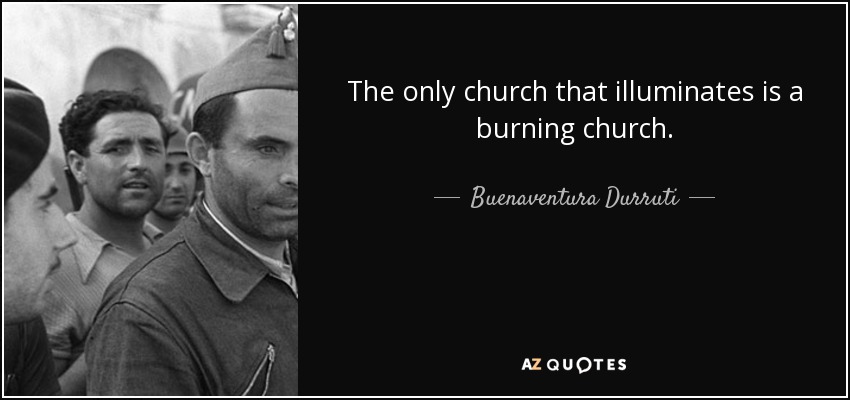
 even if he was against the New Culture movement.But again, Chiang Kai-shek was gigacringe and most of your modern-day followers are cringe conservatives. Still, I like the Left-KMT members who are socially progressive and revolutionary. Anarcho-Syndicalism - Many of you are pacifist and too reformist, though you were also mostly based historically. I also like what Durruti said about churches.
- File:Libsoc.png Libertarian Socialism - Same as above, also how are we supposed to safeguard the achievements of the revolution without a strong leader?
 Marxism–Leninism - Getting rid of the old Tsarist society and defeating the fascist scum were based moves, and many of you are very progressive! However many of his states are now reactionary, but he claims that they are revisionist and have nothing to do with him.
- File:Polpot.png Pol Potism - You initially claimed to be me, but you became so obsessed with removing the old culture that you ended up becoming a reactionary, ultranationalist, agrocuck.
- File:Hochi.png Ho Chi Minh Thought - You did have a revolution against your colonial oppressor France and kicked out the above guy (in turn acting as a force for progressive change). However, your successors have become more and more reformist/conservative.
- File:Blacknat.png Black Nationalism - We will fight for you, but some of your variants don't seem to get along with me. The Panthers were based af tho.
- File:Fash.png Fascism - Well, at least you are against (most) reactionaries, and some people have accused Tomas Garrido Canabal of acting like you. Your File:ProgFash.png progressive variant may be kinda based? I don't know, still a fascist scum anyway.
 Anti-Authoritarianism - Not fully sure. A strong state may be needed to defeat Conservatives and Reactionaries. Lu Xun was still based tho.
- File:Contrarianism-Icon.png Contrarianism - Opposition to conservative norms is valid and great, but why are you criticizing me? What did I do to deserve this?
 Anti-Centrism - So you support me? Amazing! But why do you also support the far-right? Though I do appreciate your hatred toward those pesky File:Centrist-yellow.png centrists and your commitment to revolutionary change..
- File:Castro.png Castroism - A fellow comrade but what's up with the mistreatment of queers? You dislike theocratic institutions but also tolerate religion. That isn't enough for me. At least you are making rapid progress now and recently passed one of the most progressive laws for the LGBTQ+ in Latin America.
- File:Tito.png Titoism - I like how you pitted and battled fashoids and Nazi garbage and revolutionized the Yugoslavian culture, but you were also a bit too soft on the church and didn't fully decriminalize homosexuality, although at least Yugoslavia still became relatively tolerant of the latter during the 70s. However, you're still too moderate
 Anarcho-Pacifism - Bruh... when will you understand the fact that peaceful protests will never solve our problems and do anything? I still respect your views, but you should get that revolution is the only answer about overthrowing oppressive dictatorships.
- File:Honecker.png Honeckerism - DDR was pretty progressive on LGBTQ+ rights back in the days, but why did you associate yourself with the filthy conservative Brezhnev? Plus, you fall into the same problems as the above in that you're also too moderate.
- File:Intercult.png Interculturalism - I could use you for promoting progress, but it sucks that many of you are c*nservatives
- File:Armchair Left Communism.png Italian Left Communism - Can you try actually doing something for once?


Reactionary Scumbag
- File:Conservative.png Conservatism - You the so-called "fragile conservatives" should shove "mUh tRadItiOns!1!" up your ass! They are absolutely nothing but a byproduct of your everyday habits, and all you do is suppress us with your worthless social norms that enables hatred, bias, discrimination towards marginalized groups and religious dogmas. It's revolution time motherfucker, if you push me, you are a fucking dead man!
- File:Reactcross.png Reactionaryism - Your "glorious old days" will never come back, keep dreaming. You are nothing but a bigoted soon-to-be-dead ideology that will be wiped out completely in the revolution!
- File:Trad.png Traditionalism - Bitch, fuck you and your """traditions""", and your "back in my day" bullsh*t! It's 2026 now and you should not behave that way, it's f**king useless.
- File:Patcon.png Paternalistic Conservatism - Hah. You cannot bribe me into following your outdated and pathetic values with welfare, I'd rather take that money off your corpse.
- File:Eccon.png Eco-Conservatism - The environment isn't a valid excuse for upholding outdated beliefs, either. Get ready to be turned into compost, old man!
- File:CountEn.png Counter-Enlightenment - *gets torn to shreds by a mob of Sicilian peasants*
- File:Authoritarian Conservatism.png Authoritarian Conservatism - I WILL NEVER FORGIVE AND FORGET FOR HOW YOU HAVE TURNED COUNTRIES LIKE IRAN AND RUSSIA INTO REACTIONARY DYSTOPIA! AND IT WAS ALL THANKS TO YOU, YOU F**KING A**HOLE!!!
- File:Cultural Nationalism.png Cultural Nationalism - "No!1!1! You can't destroy stanistani great culture"? It would be funny as fuck to smash your head to the ground and burn your paintings.
 Anarcho-Primitivism & File:Prim.png Primalism - Repulsive ultra-reactionaries who want to return to the most distant from modernity times.
- File:Horshu.png Horseshoe Centrism - No!!!! Stop saying File:Ted Kaczynski.png Kaczynskism and File:Revcon.png Revolutionary Conservatism are the same thing as us!
- File:Radcent.png Radical Centrism &
 Dead Centrism - They are actually conservatives in disguise who claim to be "centrist".
 - File:Apolit.png Apoliticism - If you want things to be right, you must be politically involved, whether you like it or not. If you remain apolitical, then I will grill you.
- File:Radape.png Radical Apoliticism - Ignorant dumbasses who think that contributing to nothing will be beneficial for our new society. Why can't you choose a side already?!
- File:Relreject.png Religious Rejectionism - No, you are still reactionary. Idgaf if you're different or not.
- File:Moder.png Moderatism &
 Anti-Radicalism - Society reform will never be achieved if you're so moderate about it!
 - File:Centrist-yellow.png Centrists - You are all liberals because liberalism (especially """conservatism""") means maintaining the status quo, which is what you stand for.
- File:Progconf.png Progressive Conservatism - Your attempts to be "tolerant" and preserve "cultural balance" while remaining a """c*nservative""" won't work, take off that mask and pick a side already! Support to my Progressive Traditionalist File:Native.png comrades, though.
- File:Reform.png Reformism - Aren't you just like the person above?
- File:Neoliberal-icon.png Neoliberalism - Not even your occasional bullshit faux progressivism can save you. You are always imperialist, manipulative, exploitative, and sometimes conservative. Overall, it is about time that you, as the current status quo, must go and be replaced! Also, Thatcher and Reagan were homophobes who supported Apartheid and Operation Condor.
At least Macron defunded the boomers. - File:Liberalsoc.png Liberal Socialism - Reformist c*cked socialist who thinks that moderate parliamentarianism will change society for the better, how pathetic.
 Social Democracy - What happened to you?! You used to be one of the most based Marxists but now you became a moderate reformist! Also never forget about you killing Rosa!
- File:Trumpism.png Trumpism - I can't wait till the next person has better aim, it will be so much fun!
- File:Bidenism.png Bidenism - Just because you're not that felon called "Tr*mp", it doesn't change the fact that you are a moderate boomer who worked with racists in the past.
 American Model - All your politicians are either pathetic normies or slowpokes who did not obliterate enough heritage. Both parties must fall!
 Anarcho-Nihilism - You don't care about the revolution huh? And you prefer anti-society insurrection! GET THE GUILLOTINE!
- File:Shapirocube.png Shapiroism - Facts don't matter when there's fucking justice to be had, you can't silence us you insufferable bigot.
- File:Libconserv3.png Liberal Conservatism - And you too! You may hate File:Trumpism.png him, yet you are still a filthy """c*nservative""" who still wants to destroy progress and prevent the future from happening.
- File:Rockrep.png Rockefeller Republicanism - I don't give a single fuck if you brand yourself as "moderate right". C*nservatives like you are just fucking pathetic.
 Anarcho-Conservatism - HAHAHAHAHAHA you really thought that being an anarchist will save your ass?! Conservative, authoritarian or not, must be purged from existence ASAP!
- File:Confem-alt.png Conservative Feminism - You claim to be a fighter of feminism, yet you support hierarchies that oppressed women for ages. Stop with your foolish mind games already.
- File:Mat.png Maternalism - Get the fuck out of the kitchen, NOW!!!
- File:SL.png Silver Legionism - I find it laughable that you even think you could defeat me in battle! Prepare to meet your downfall, you old pipe-smoking, spiritualist lunatic Christcuck!
- File:Nrx.png Neoreactionaryism & File:ReactPix.png Reactionary Modernism - "Modern" reactionaryism, what an oxymoron.
- File:Jihad.png Jihadism - F*ck ISIS!
- File:Consocf.png Conservative Socialism - Screw you for running the USSR into the dirt, Brezhnev!
- File:WelfChauvin.png Welfare Chauvinism - File:Consocf.png ConSoc unmasked.
- File:Reactsoc.png Reactionary Socialism - Fake socialist, ultraconservatism and socialism are totally incompatible, when will you learn about that? That's right, you won't and never will.
- File:Necon.png Neoconservatism - The main reason why many people are suffering is because your pointless wars have led to so many people getting killed for oil and money, shame on you asshole!
At least you oppose Putin, ISIS, Khomeini and Xi - File:Mansphere.png Manosphere - GO EAT SHIT AND DIE YOU SEXIST AND PATRIARCHAL SCUMBAG!!!
- File:Religious.png Religion - Fuck you, I'm so fucking sick and tired of your strict dogmas, brainwashing tactics and justification of immoral and unethical acts! Although, I don't mock religious figures because this would be unfair, but you have to be the biggest joke in the entire existence! Plus, not to mention that most of the wars are caused by religion, like what the fuck?!
- File:RelNat.png Religious Nationalism - Tribalism fueled by spiritualism. What can I say more?
- File:Khom.png Khomeinism - What is this??? You are kind of a revolutionary conservative (that's exactly my opposite). One day I will take revenge on you for the reverse cultural revolution you did and also make sure to hunt you down!
 Alt-Right &
  Alt-Lite - They're both worthy competitors, I'll give that. But that doesn't change the fact that both of them are rightoid chuds. However, the other chud is basically my polar opposite of me, and not to mention that he's more hateful than me but he has more violent, vicious and malicious intent. So what is he waiting for?! OUR FIGHT WILL BE LEGENDARY!
- File:Plcn2.png Paleoconservatism & File:Tradcon.png Classical Conservatism - FUCK YOU AND YOUR IDIOTIC TR*DITIONS! YOU BOOMER PILES OF BURNING [Censored], JUST GO FUCK YOURSELF ALREADY!!!
- File:Racenat.png Racial Nationalism - Show some fucking tolerance to people other than your own, you fucking chud.
- File:Whitesup.png White Nationalism - JOHN BROWN WAS GOATED! EAT MY AK-47, YOU DUMBFUCK!
- File:Ethnonat.png Ethnonationalism - And you're my next target too, racist scum!
- File:Nazi.png Nazism - Your downfall was one of the best moments of my life! Your regime was horrendous anyway, and I have a reason to justify your downfall, which I won't explain how vile your actions are.
- File:PagTheo.png Pagan Theocracy, File:Odal.png Odalism, and File:Esofash.png Esoteric Fascism - Pagans are even more reactionary and hateful than abrahamics, kill 'em all! My Aboriginal spiritualist friends will get a pass, though.
- File:Hindutva.png Hindutva - Oooh a fundamentalist fascist and reactionary that has not been hanged yet? I here my name being called... Time to go to work...
- File:Theocrat.png Theocracy - Rule by a strong religious class...? EWWWW DISGUSTING!
- File:ReactNazcap.png Reactionary National Capitalism - The worst kind of capitalism.
 Conservative Liberalism - If only I could feed Peterson to lobsters and Prager his own urine and feces.
- File:Reactlib.png Reactionary Liberalism - Even more idiotic than cucklib.
- File:Nazbol.png National Bolshevism & File:Euras.png Fourth Theory - Not that "Alt-Left"!
- File:Hcon.png Homoconservatism - Fuck no and never, you won't and will never belong and be accepted in the LGBT community, because you are just a conservative who advocates LGBT relationships only within the framework of “traditional values”, plus not to mention you hate trans people even if you claim to be "gay", which makes you a FUCKING HYPOCRITE AND TRAITOR AT THIS POINT!
- File:Hfash.png Homofascism and File:Strans.png Stransserism - OMG! This does not make any sense at all. Like File:Hcon.png him, you are both traitors!
- File:Libertarian.png Libertarianism - You are just a crypto-conservative pig. You better start running.
- File:Conbertf.png Libertarian Conservatism & File:Paleolib.png Paleolibertarianism - Wow, the two of you are LITERAL conservatives! Get ready for your executions, bigo- *Gets shot*
- File:Paleolib.png
 Do you honestly think you're the only one with guns, dumbass?!File:RBubble.png
- File:Paleolib.png


- File:Reactlib-icon.png Reactionary Libertarianism - Bruh, how is this even possible?
- File:Radfem.png Radical Feminism (many) & File:Nazfem.png National Feminism - Contary to believe whatever crap people might believe, in reality I support File:Marxfem.png real feminist movements who fight right for their rights, not FUCKING FASCIST REACTIONARIES WHO ARE MAN-HATING SCUMBAGS!
- File:Hoppef.png Hoppeanism - The one who should get physically removed is you!
- File:Jnaz.png Jewish-Nazism - What a two-faced oxymoron, you guys are traitors against your own kind!
- File:Rpop.png Right-Wing Populism & File:Natcon.png National Conservatism - "The Elites" won't destroy the traditional way of life. I will. And your "woke inducing space laser" jargon is just Paranoia.
- File:Washdem2.png Washingtonism - George Washington owned black slaves. TEAR DOWN HIS STATUE!
- File:Gero.png Gerontocracy - The youth shall rule! Old leaders tend to be more elitist and care less about change anyway.
- File:Dengf.png Dengism - Stop undoing my work, I'll never forgive you for the arrest of File:RedGuard.png the Gang of Four!!!
- File:XiJinpingThoughtf.png Xi Jinping Thought - Worse than that rat above, as you brought back the traditions that Mao tried hard to get rid of!
- File:Brezhnev.png Brezhnev Doctrine - Same as above as you turned the USSR into a consoc hellhole!
- File:Zyu.png Zyuganovism - And you not only you made the remnants of the CPSU religious you also made it consoc!
- File:Putin.png Putinism - ...and I detest you too! I also hate NATO and the west, but it's funny how you also claim to be anti-Nazi and want to "denazify" Ukraine, yet you have plenty of them (such as File:WagnerGroup.png Wagner) fighting by your side. Let's not also bring up the majority of your support base, no? All in all, you're no better than them, and are just another reactionary counterrevolutionary serving the interests of the capitalist-imperialist state of affairs.
- File:Putin.png Blah blah blah... Enemy of my enemy is my friend or at least a very useful idiot.File:RBubble.png
- File:Putin.png
- File:Mediastocracy flair.png Mediacracy (File:Matapacos.png Octubrismo) - LA TELE MIENTE!
- File:Chine.png Chinese Theocracy&File:Confucianism.png Confucianism - Ten Thousand Years of Injustice Must Be Redressed!
- File:Confucianism.png File:Chine.png How is China now? Haha, childish college/high school studentsFile:CommieKakis.pngFile:RBubble.png
- File:Confucianism.png File:Chine.png
Further Information
Wikipedia
Literature
- The Progressive Revolution: How the Best in America Came to Be
- A Reactionary Dimension in Progressive Revolutionary Teories?
- The Progressive Revolution in Politics and Political Science
YouTube
Channels
Videos
Groups
Americas
- File:RedShirts.png Red Shirts (1931-1935), File:CBall-Mexico.png Mexico
- File:June14thRevolutionaryMovement.png June 14 Revolutionary Movement (1959-1968), File:Cball-DominicanRepublic.png Dominican Republic
 National Liberation Action (1964-1974), File:Cball-Brazil.png Brazil
- File:TLeveller.png Diggers (1966-1968),
 USA
USA  Youth International Party (1967-), USA
- File:Situationalistinternationalism-icon.png Up Against the Wall Motherfucker (1967-1969), USA
- File:MR8.png 8th of October Revolutionary Movement (1967-1985), File:Cball-Brazil.png Brazil
- File:VARpalmares.png Palmares Armed Revolutionary Vanguard (1969-1972), File:Cball-Brazil.png Brazil
 Rainbow Coalition (1969), USA
- Students for a Democratic Society (1960-1974), USA
- Progressive Labor Party (1962-), USA
- File:Mao.png Revolutionary Youth Movement (1968-1985), USA
- File:Castro.png Venceremos Brigade (1969-), USA/File:Castro.png Cuba
- File:BlackMarxism.png Weather Underground (1969-1977), USA
- File:BlackMarxism.png Black Panther Party (1966-1982), USA
- File:Chicanismo.png Brown Berets (1966-), USA
- File:Cball-CSA.png Young Patriots Organization (1968-1973), USA[14]
- File:Cball-CSA.png Patriot Party (1970s), USA
- File:Cball-CSA.png Patriot Party (1970s),
- White Panther Party (1968-1980s), USA
- File:Cball-PuertoRico.png Young Lords (1968-2002), File:Cball-PuertoRico.png Puerto Rico
- File:Pan-Amerindianism.png American Indian Movement (1968-), USA
- File:RedGuard.png Red Guard Party (1969-1973), USA
- File:BlackSocialism.png Black Liberation Army (1970-1981), USA
- File:Trans.png Street Transvestite Action Revolutionaries (1970-1973), USA
- Homosexual Liberation Front (1971-1976), File:Cball-Argentina.png Argentina
- File:SLA.png Symbionese Liberation Army (1973-1975), USA
- File:LibML.png United Freedom Front (1975-1987), USA
- File:Castro.png Antonio Maceo Brigade (1977/1978-1979), USA/File:Castro.png Cuba
- File:Marxfem.png May 19th Communist Organization (1978-1985), USA
- File:Zapa.png Zapatista Army of National Liberation (1994-), File:Cball-Mexico.png Mexico
- File:Multicult.png By Any Means Necessary (1995-), USA
- File:Libsoc.png Redneck Revolt (2009-), USA
- List of the People (2021-2022), File:Cball-Chile.png Chile
- File:RevolucaoPeriferica.png Peripheral Revolution (2021-), File:Cball-Brazil.png Brazil
- File:Progfem.png Jane's Revenge (2022-), USA

Europe
- File:Operaismo.png Workers' Power (1967-1973),
 Italy
Italy - The Angry Brigade (1968-1970, 1980s), File:Cball-UK.png UK
- File:Operaismo.png Continuous Struggle (1969-1976), Italy
- Red Brigades (1970-1988, 1990s-2000s), Italy
- File:RedArmyFaction.png Red Army Faction/Fraction (1970-1998), File:Cball-Germany.png Germany
- File:Auton.png 2 June Movement (1972-1980), File:Cball-Germany.png Germany
- File:Operaismo.png Workers' Autonomy (1973-1979), Italy
- File:Auton.png Revolutionary Cells (1973-1993), File:Cball-Germany.png Germany
- File:Radfem.png Rote Zora (1974-1995), File:Cball-Germany.png Germany
- Revolutionary Struggle (1975-1985), File:Cball-Ireland.png Ireland
 Revolutionary Organization 17 November (1975-2002), File:Cball-Greece.png Greece
- Action Directe (1979-1987), File:Cball-France.png France
- Communist Combatant Cells (1983-1986), File:Cball-Belgium.png Belgium
- File:Platformism.png Revolutionary Struggle (2003-), File:Cball-Greece.png Greece


Asia
- File:RedGuard.png Red Guards (1966-1976), File:Cball-China.png China
- File:MaoTrot.png Red Army Faction (1968-1971), File:Cball-Japan.png Japan
- File:Cultism.png United Red Army (1971-1972), File:Cball-Japan.png Japan
- File:Japanese Red Army.png Japanese Red Army (1971-2001), File:Cball-Japan.png Japan
- International Revolutionary People's Guerrilla Forces (2017-2018), File:Cball-Syria.png Syria
Online Communities
Gallery
-
Introductory image by tungster24
-
Comic by tungster24
-
Old Portrait
-
Older portrait
-
Even older portrait
-
Ancient portrait
Navigation


| Main Ideologies | File:Bhl.png Bleeding-Heart Libertarianism • File:Falgsc.png Fully Automated Gay Space Communism • File:Hfash.png Homofascism • File:Hcon.png LGBT Conservatism File:Homocon.png • • File:Ismism Icon.png Ismism • File:LesbiaNRx.png LesbiaNRx • File:Menslib.png Men's Liberation • File:Pinkcap.png Pink Capitalism • File:Post-Genderism.png Postgenderism • Progressivism • Queer Anarchism • File:Radfem.png Radical Feminism • File:Ultraprogressivism.png Revolutionary Progressivism • File:Statlib.png State Liberalism • File:Strans.png Stransserism • File:Xenofeminism.png Xenofeminism |
|---|---|
| Regional | |
File:Ismism Icon.png Prefixes - You're getting a prefix, you're also getting a prefix, everyone's getting a prefix! File:Ismism Icon.png | |
|---|---|
| Alt- | |
| Anti- |  Anti-Authoritarianism • Anti-Authoritarianism •  Anti-Centrism • Anti-Centrism •  Anti-Environmentalism • Anti-Environmentalism •  Anti-Fascism • File:Jeffersondem2.png Anti-Federalism • Anti-Fascism • File:Jeffersondem2.png Anti-Federalism •  Anti-Japaneseism • Anti-Japaneseism •  Anti-Radicalism • Anti-Radicalism •  Anti-Realism • File:Makhaevism.png Anti-Intelligentsia Anarchism • File:Confem.png Anti-Abortion Feminism • File:Radape.png Anti-Politicism • Anti-Realism • File:Makhaevism.png Anti-Intelligentsia Anarchism • File:Confem.png Anti-Abortion Feminism • File:Radape.png Anti-Politicism •  Anti-Feminism • Anti-Feminism •  Anti-SJW • Anti-SJW •  Anti-State Nationalism Anti-State Nationalism |
| Bio- | |
| Ego- | |
| Ethno- | |
| Geo- | |
| Left- | File:Left-AnEn.png Left Anti-Environmentalism • File:LeftAutho.png Left-Authoritarianism • File:LeftCom.png Left-Communism • File:Left-wingCon.png Left-Conservatism • File:L-lib.png Left-Liberalism • File:Libsoc.png Left-Libertarianism • File:Monsoc.png Left-Monarchism • File:LeftNatio.png Left-Nationalism • File:Leftpop-0.png Left-Populism • File:Left Reformism.png Left-Reformism • File:LeftRothbardianismPix.png Left-Rothbardianism • File:Labzion.png Left-Zionism |
| Minarcho- | |
| Neo- | File:Neobol.png Neo-Bolshevism • File:Neocam.png Neocameralism • File:NeoClib.png Neoclassical Liberalism File:Nclib4.png • File:Eurocom.png Neocommunism • File:Necon.png Neoconservatism • File:NeoEnl.png Neo-Enlightenment • File:NeoFash.png Neo-Fascism •
File:Neoliberal-icon.png Neoliberalism • File:Neobert.png Neo-Libertarianism File:Neobert2.png • File:Neolud.png Neoluddism • File:Neomarx.png Neo-Marxism • File:NeoNationalism.png Neo-Nationalism • File:Ottoman.png Neo-Ottomanism • File:Nrx.png Neoreactionaryism • File:Neo-Rockwellism.png Neo-Rockwellism • File:Neosoc.png Neosocialism • File:Zapa.png Neo-Zapatism |
| Paleo- | |
| Post- | File:Post-an.png Post-Anarchism • File:Postconan.png Post-Colonial Anarchism • File:PostColFem.png Post-Colonial Feminism • File:Post-Genderism.png Postgenderism • File:POSTHUMANISMICON.png Post-Humanism • File:Postindusnewicon.png Post-Industrialism •  Post-Leftism • File:Post-Bert.png Post-Libertarianism • File:Dengf.png Post-Maoism • File:Post-Stalin.png Post-Stalinism Post-Leftism • File:Post-Bert.png Post-Libertarianism • File:Dengf.png Post-Maoism • File:Post-Stalin.png Post-Stalinism |
| Right- | File:Right-Anarchism.png Right-Anarchism • File:Right-AnEn.png Right Anti-Environmentalism • File:Authoritarian Conservatism.png Right-Authoritarianism • File:Tradcon.png Right-Conservatism • File:R-lib.png Right-Liberalism • File:Libertarian.png Right-Libertarianism • File:RigNatio.png Right-Nationalism • File:Rpop-tinfoilhat.png Right-Populism • File:Right Reformism.png Right-Reformism • File:Right-volu.png Right-Voluntaryism |
| Techno | File:Antr.png Techno-Anarchism File:Cryptan.png • File:Captrans.png Techocapitalism • File:Cybercom.png Technocommunism • File:Cyberfem.png Technofeminism • File:Ectrans.png Technogaianism • File:Neotech.png Technoliberalism • File:Libtrans.png Technolibertarianism •File:Soctrans.png Technosocialism |
| Eco- | |
| Monarcho- | |
| Too many to list | |




pl:Progresywizm_rewolucyjny zh:革命进步主义
- ↑ A lot of Furry Twitter bash Christianity regularly, or say that all conservatives "want to kill trans people"
- ↑ Far-Left Politics
- ↑ Social democracy is objectively the moderate wing of fascism. Zohran is a national socialist.
- ↑ Seems like a good time to declare climate change a national emergency
- ↑ Although not completely opposed to having children, she viewed pregnancy as torture and childbirth as a forced entry into a world of suffering.
- ↑ https://substack.com/home/post/p-179413041
- ↑ Monteagudo admired Louis Antoine de Saint-Just and identified with him
- ↑ Monteagudo has been described as a "monster of cruelty" or called "the devil." Gabriel-Pierre Lafond and William Bennet Stevenson describe him as a bloodthirsty individual.
- ↑ “The murder of Laquan McDonald and the Chicago bid for an Amazon headquarters are not two separate issues, but rather they are both connected.” - Elias Rodriguez, 2017.
- ↑ "A perpetrator may then be a loving parent, a filial child, a generous and charitable friend, an amiable stranger, capable of moral strength at times when it suits him and sometimes even when it does not, and yet be a monster all the same. Humanity doesn't exempt one from accountability."
- ↑ Elias Rodriguez donated to Biden in 2020.
- ↑ https://web.archive.org/web/20250524020322/https://www.jta.org/2025/05/22/united-states/more-elias-these-people-are-celebrating-the-capital-jewish-museum-shooting
- ↑ https://nypost.com/2025/09/18/us-news/tyler-robinson-played-furry-shades-of-gay-porn-game-report/
- ↑ The Young Patriots, despite using confederate flags, were not racist or neo-confederate sympathisers.